
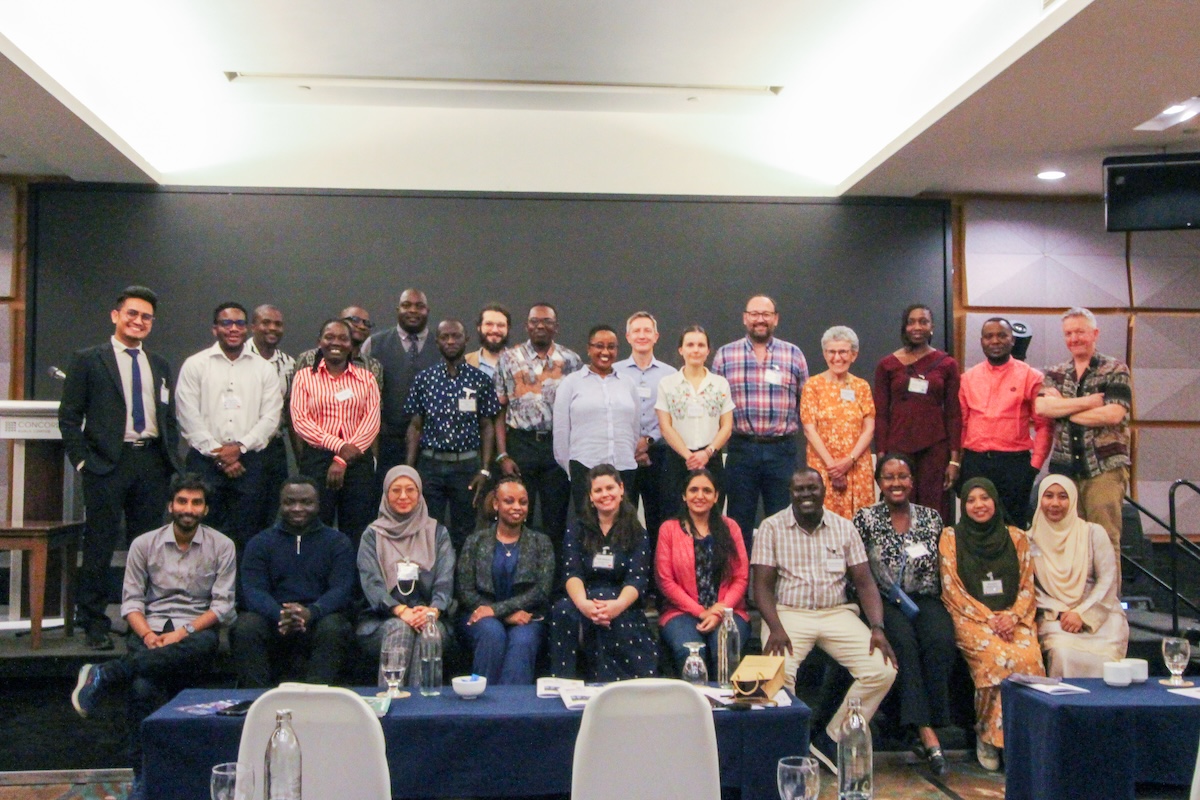
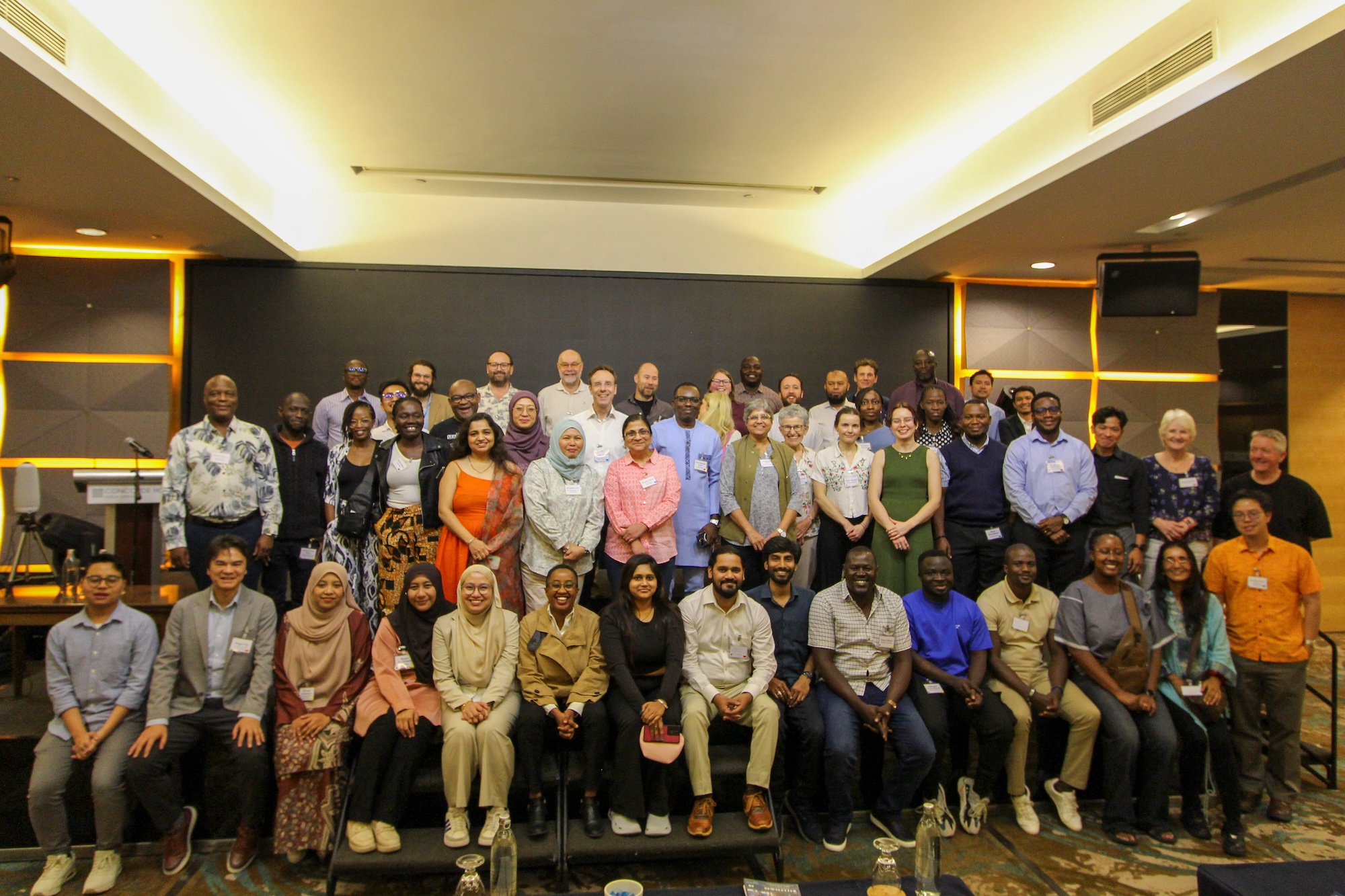
We’re feeling thoroughly motivated and inspired after the success of our January symposium on next-generation solar. Over the course of 5 days in Kuala Lumpur, we assembled members of our global network to discuss this year’s topic: ‘Strategies for Accelerating a Just Energy Transition Through the Adoption of Next-Generation Solar.’
Thank you to all who participated and helped make it a success. It was a pleasure to meet up with old friends and welcome new ones into the network, from Malaysia to Kenya and India to Nigeria.
Thank you / “terima kasih” also to Professor Norasikin Ludin and her team at the Solar Energy Research Institute (SERI) at Universiti Kebangsaan Malaysia (UKM) for hosting us. We received an incredibly warm welcome to beautiful Malaysia.
The symposium featured talks, panels, and roundtable dicussions focused on our eight themes, which were:
- Inclusivity
- Sustainability
- Near-commercial manufacturing for transforming energy access
- New processes for production breakthroughs
- Testing and stability
- Suitable business models
- Policy and regulation
- AI and digital
It was an achievement to get so many experts from different disciplines, sectors and regions all in one room, exchanging ideas on how to advance sustainability and energy access through next-generation solar.
Day 0 – Visit to Sempar Village and Opening Ceremony
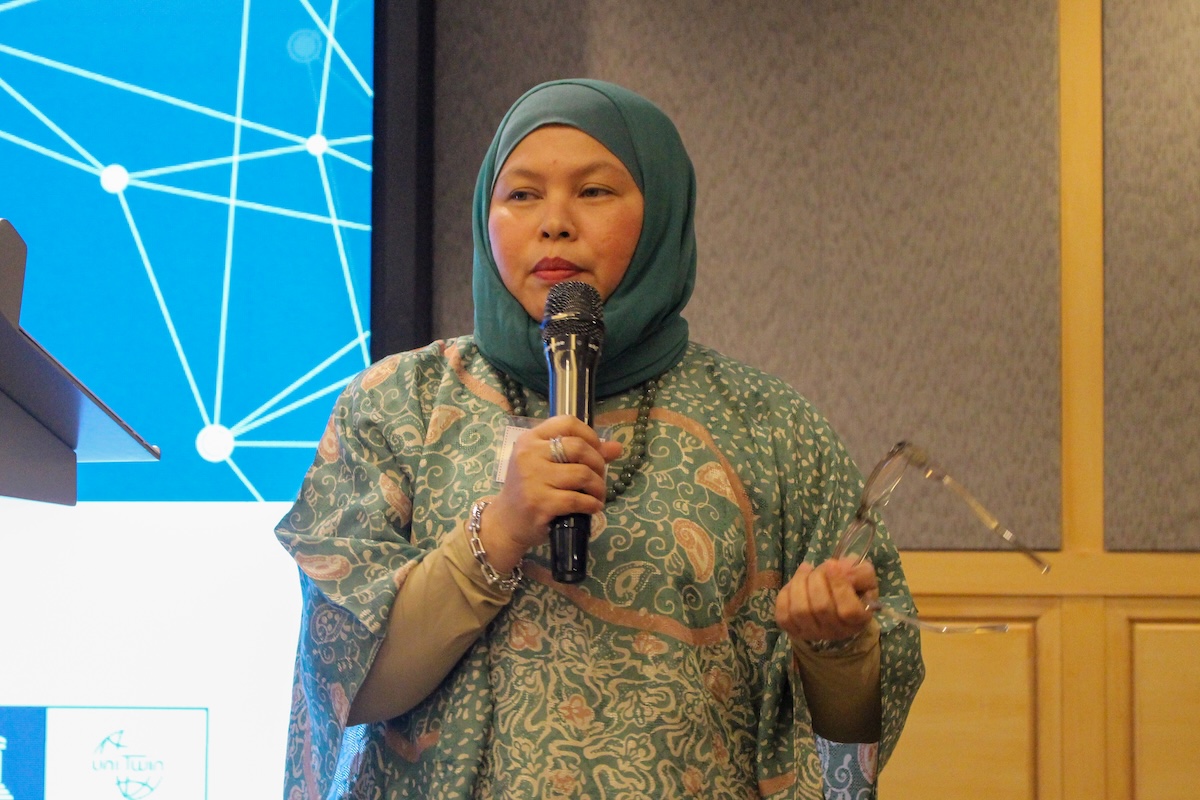
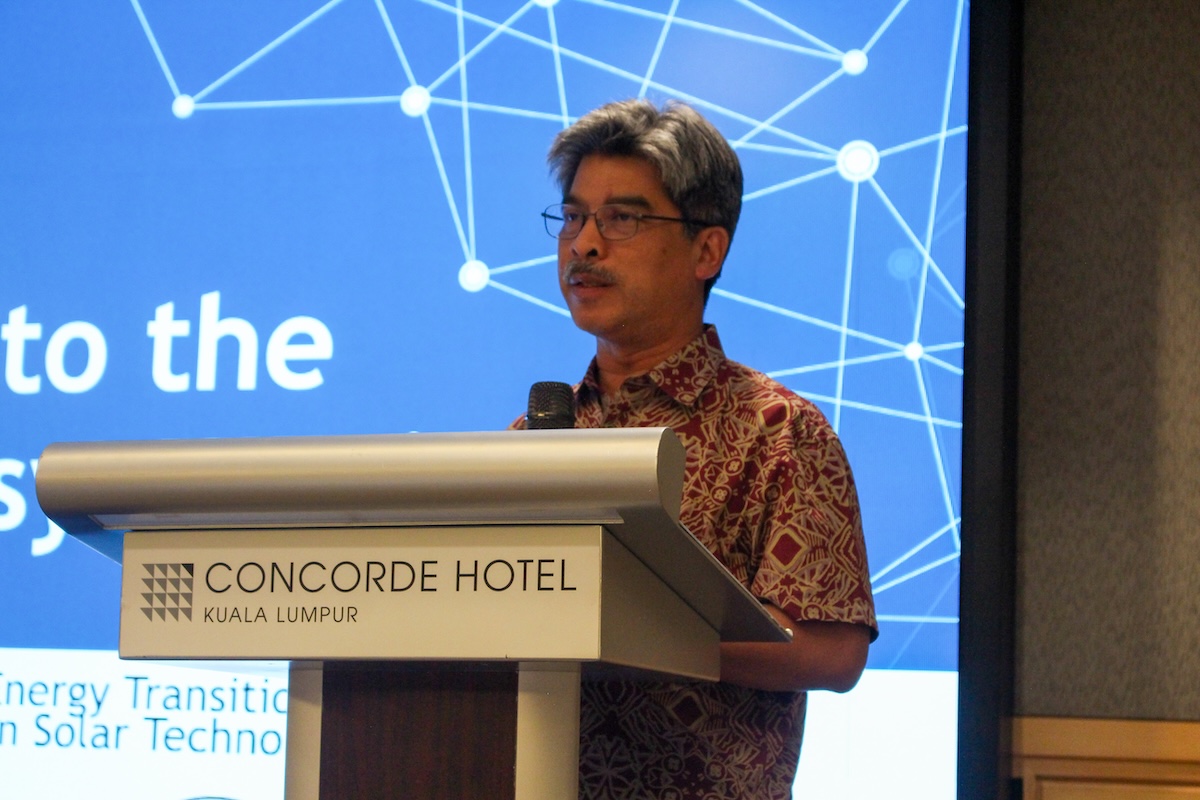
On Sunday we welcomed everyone to Kuala Lumpur. Thank you to Prof Norasikin Ludin (Director of SERI), Mr Murugadas Longanathan from the British High Commission and Prof Sufian Jusoh, Vice Chancellor of UKM for their supportive and inspiring words at the opening ceremony.
Earlier that morning, a few attendees had the opportunity to visit an indigenous Malaysian village called Sempar, which was organised by Energy Action Partners (ENACT) in close collaboration with community leaders in Sempar. ENACT is a non-profit organisation that focuses on community development through sustainable, collaborative energy access programmes.
ENACT has been working with the Sempar community since 2019 through a series of energy access projects. In 2022, they supported the village’s first clustered solar rooftop systems, providing electricity to multiple households.
It was a privilege to engage with a long-term, community-led energy access initiative. Witnessing both the technical solar PV systems and the local entrepreneurship, governance, and daily lived realities around energy use was an eye-opening experience.
What made the visit even more memorable was the generous hospitality shown to us from the moment we arrived. Reaching Sempar village required crossing a swaying wooden bridge suspended over a river (we could only cross 3 at a time!), a symbolic point of entry into a remote community that has sustained itself for generations.
The village leader welcomed us with remarkable hospitality and introduced us to two young women entrepreneurs who spoke proudly about how their fledgling businesses were taking shape with the support of newly available solar energy. One had begun developing a small shop and kitchen, using her solar-powered fridge and freezer to store fresh produce and expand what she could offer to the community. The other had established a hairdressing business, made possible by reliable power for her equipment. Her enterprise was already becoming a valued local service (she now does not take walk-ins!). Their stories illustrated the practical benefits of energy access and the creativity, ambition, and adaptability emerging from this small community.
The visit also reflected some of the aims of the REACH-PSM project. REACH-PSM is closely aligned with TEA@SUNRISE, but specifically focused on developing local manufacturing of perovskite solar modules in countries in Africa (Nigeria, Rwanda, Kenya, and South Africa). Part of the project’s goals are to understand community-centred energy access models and the socio-economic impact of decentralised solar technologies. The experience helped ground later discussions, reinforcing the importance of designing next-generation solar solutions that are socially embedded, economically viable, and driven by local leadership.

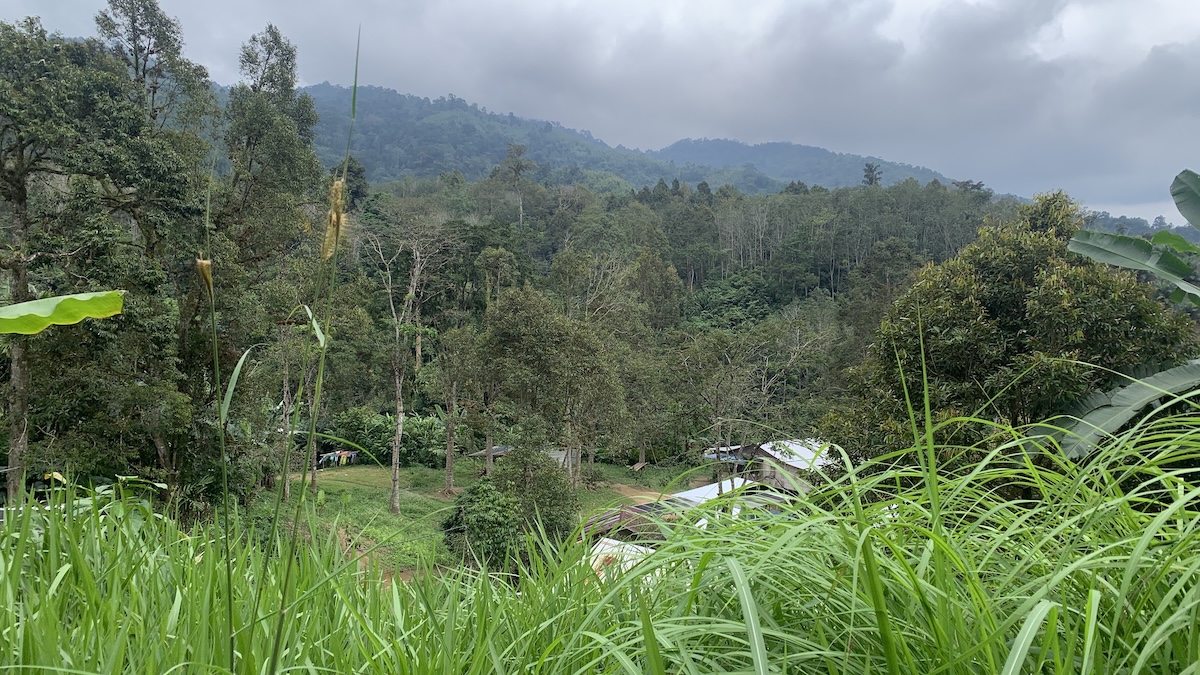
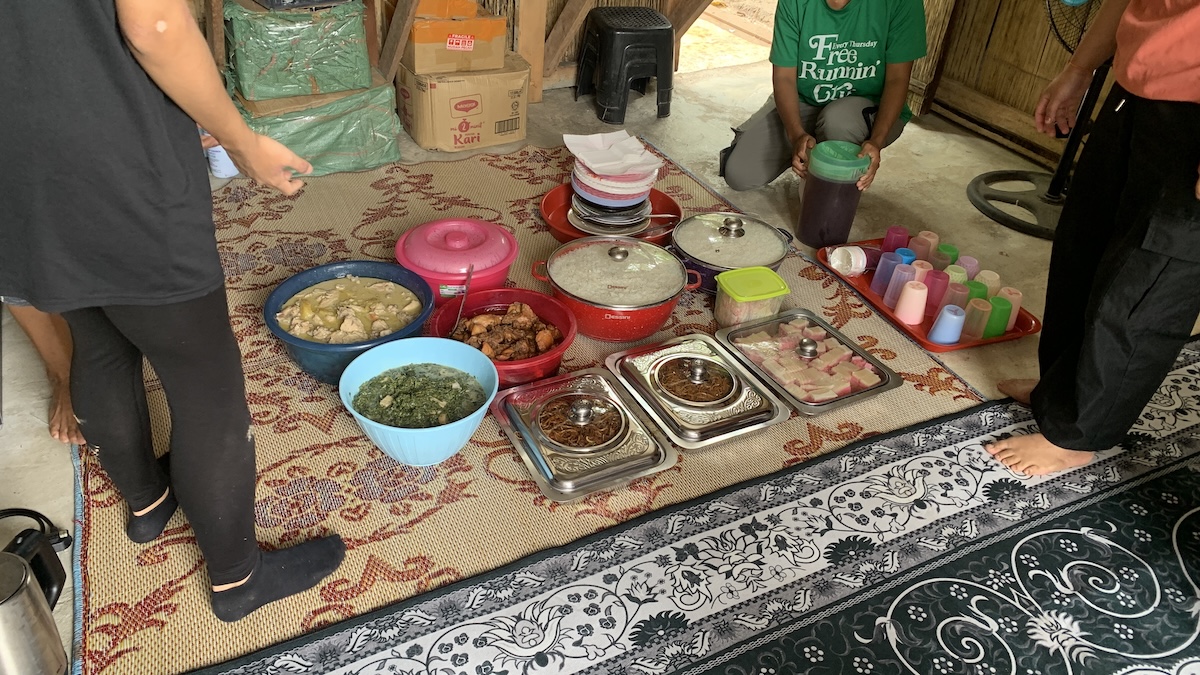
Top right: Sempar village surrounded by lush jungle.
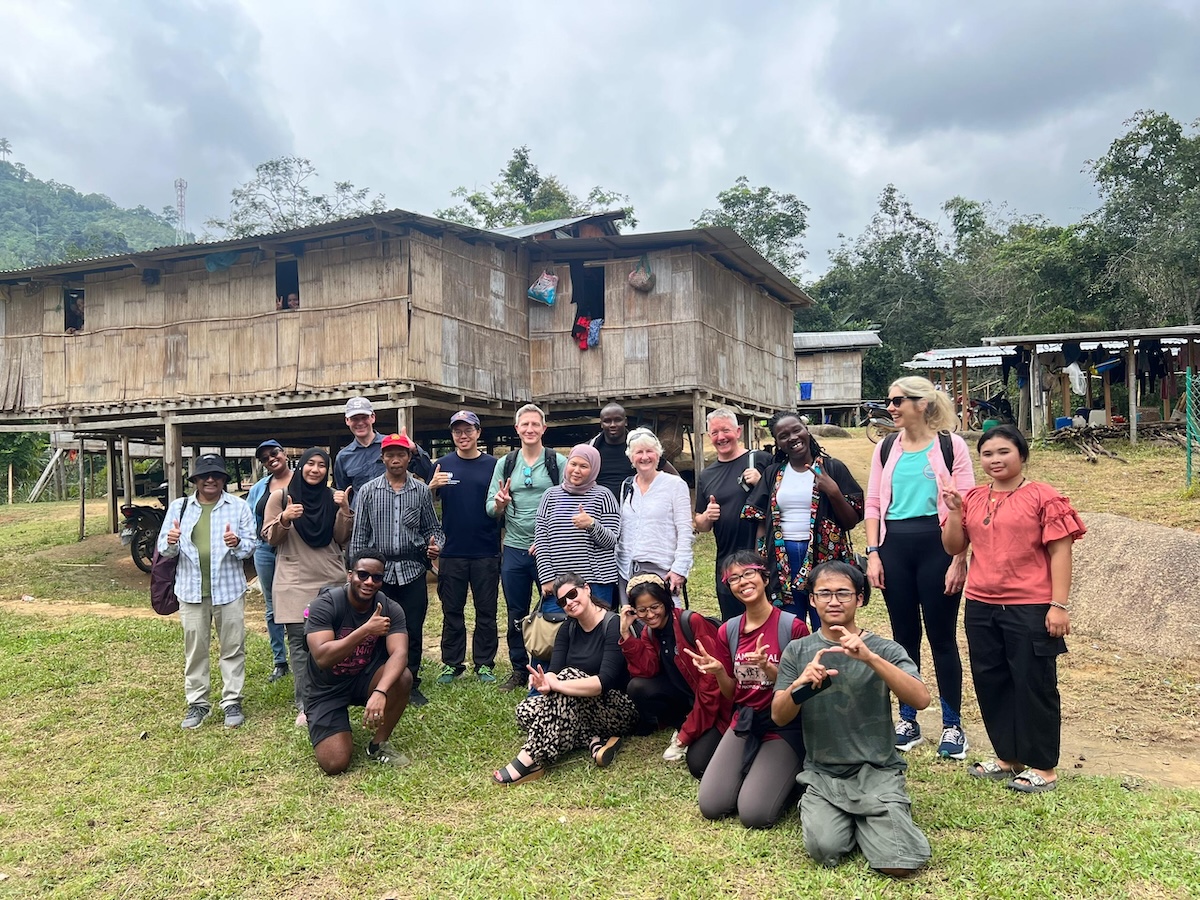
Bottom left: Members of the TEA@SUNRISE network plus ENACT team members at Sempar.
Bottom right: The village leader welcoming everyone with a declicious meal.
Day 1 – Presentations and a Panel for Early Career Researchers
On Monday we officially got started, kicking the symposium off with a day full of talks. This year, we asked for ten-minute presentations which were grouped into sessions by theme, followed by half an hour for a panel Q&A.
Under the theme of ‘sustainability’, Dr Nurfarhana Alyssa Ahmad Afandi (UKM) explored how sustainable next-generation PV technologies are when assessed holistically, concluding that sustainability must be designed into the technology and not added later. Prof Raminder Kaur (University of Manchester), speaking under ‘inclusivity’, shared details of her POWERE project, which aims to harness the power of floating solar and use women-led self-help groups for inclusive energy transitions in Southeast Asia. Under the ‘near-commercial manufacturing’ theme, Prof Emeka Oguzie (Federal University of Technology Owerri) discussed how Africa can transition from energy consumer to manufacturing leader in next-generation solar.
We were pleased to also hear from some industrial representatives, who provide important perspectives for next-generation solar beyond research and development. Austin Kuok spoke from Zenviro and Dr Mark-Williams Wynn from EWaste Africa, two companies that are recycling end-of-life solar panels. Adrian Banie Lasimbang spoke from Tonibung, a company that empowers indigenous communities in Malaysia through renewable energy.
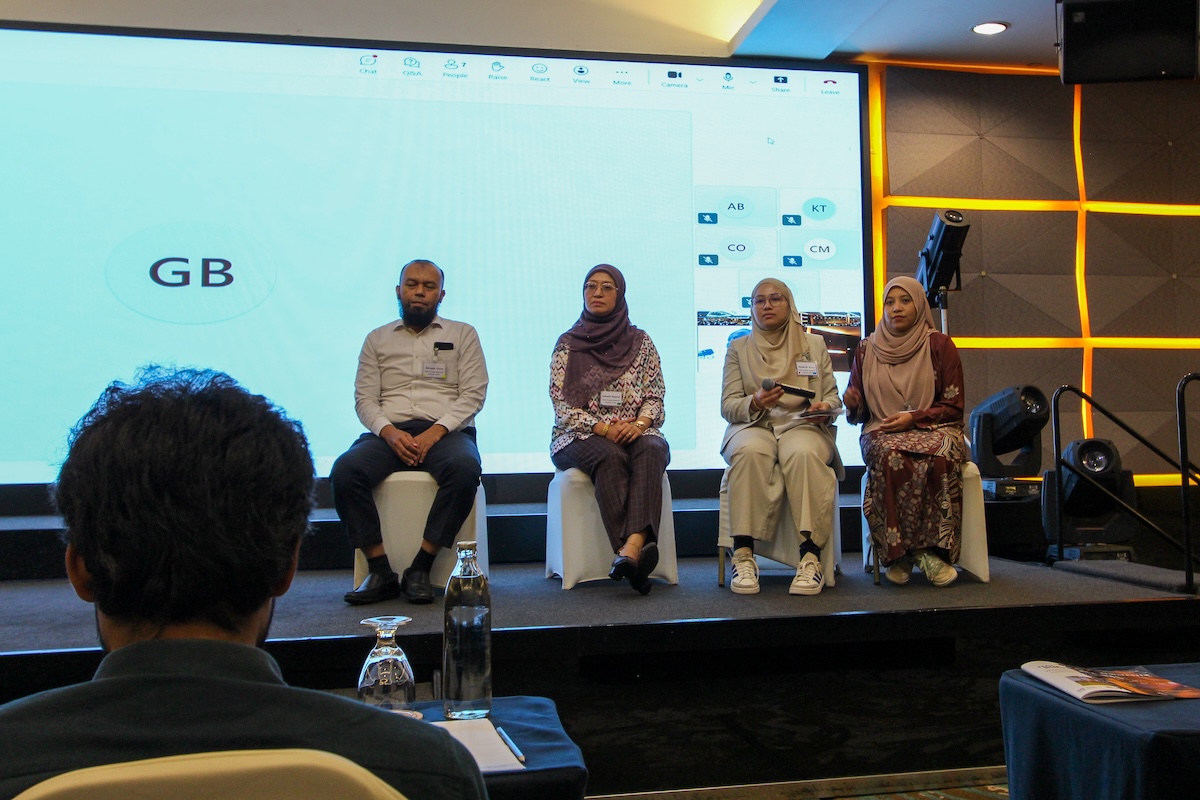
To end the day, we held a panel Q&A session targeted towards early career researchers. Our panellists Anne Wacera Wambugu, Prof Bice Martincigh, Dr Ruth Massey, and Prof Trystan Watson answered questions from an enthusiastic audience on finding your career path, dealing with social media, delivering quality over quantity in research papers, and plenty more.
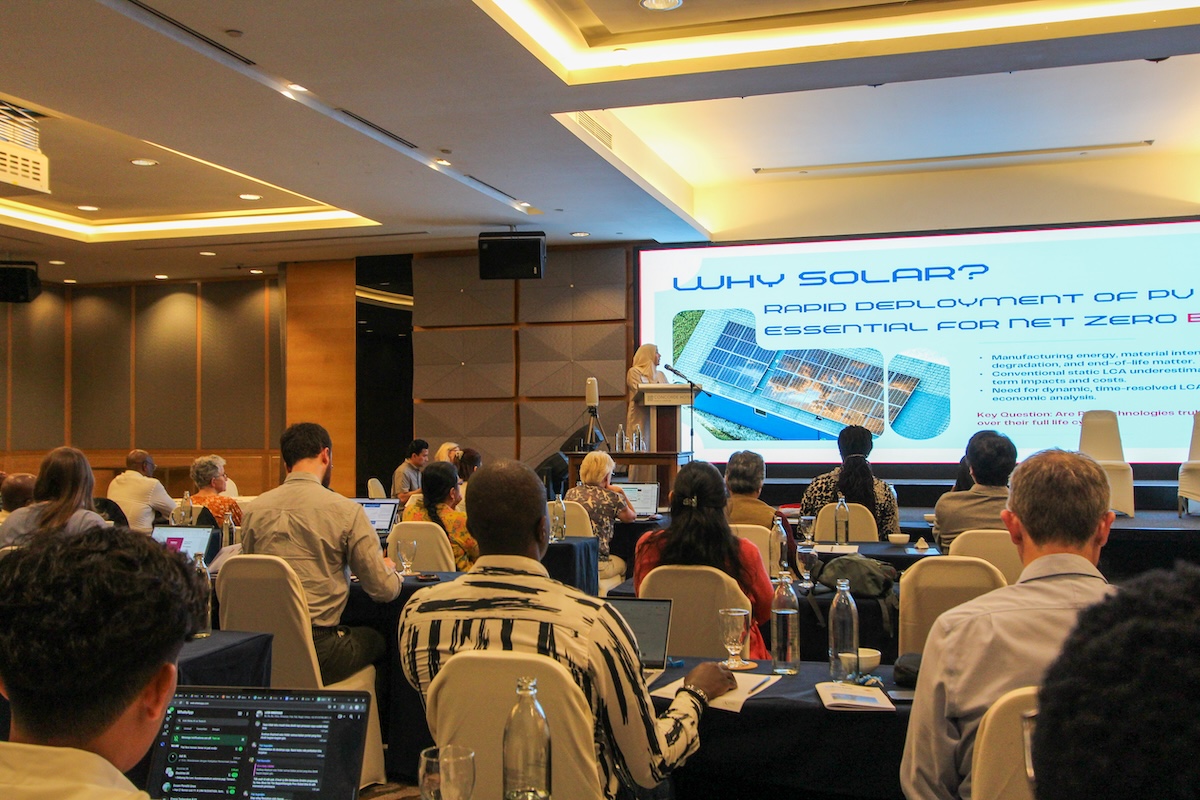
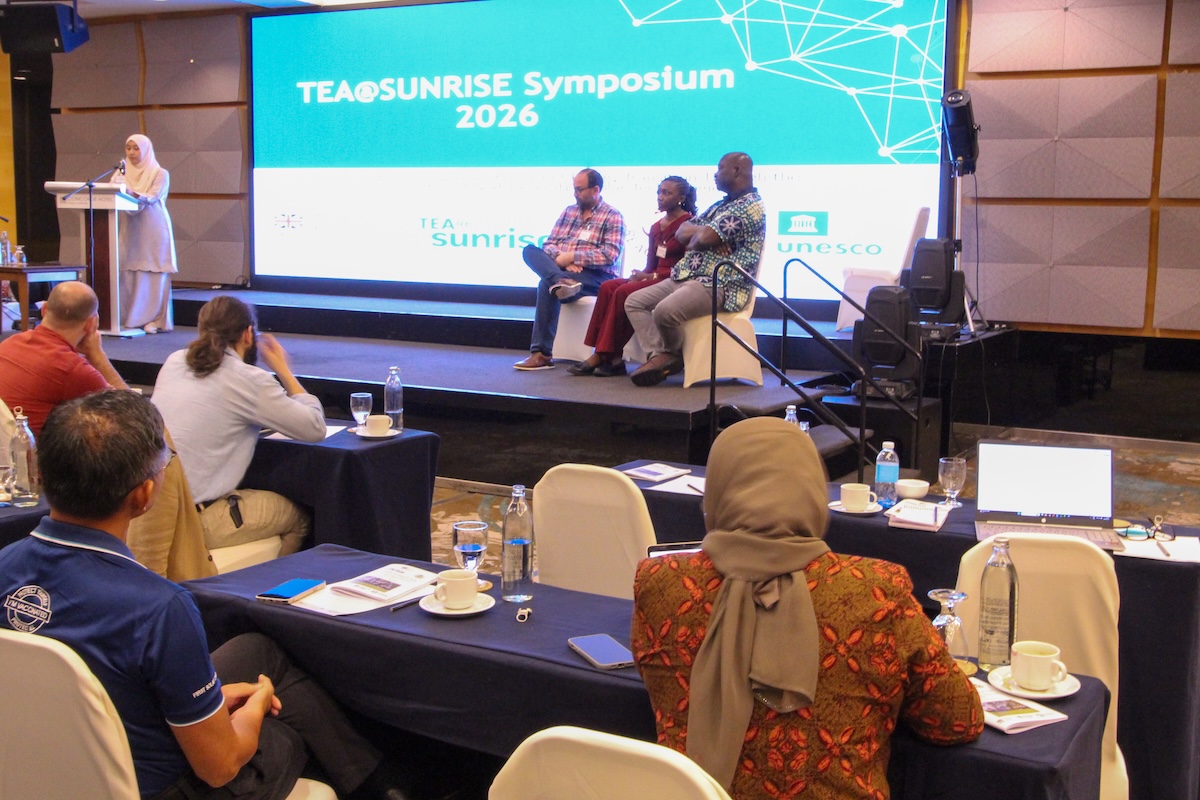
Top right: A panel discussion with Prof Trystan Watson, Favour Ibezim, and Prof Emeka Oguzie.
Bottom left: Attendees enjoying their lunch.
Bottom right: Early career researchers attending the panel Q&A session.
Day 2 – Themed Round-Table Discussions
Day 2 opened with some more talks, this time focused on the themes ‘new processes for production breakthroughs’ and ‘policy and regulation.’ Dr Aruna Ivaturi (University of Strathclyde) presented her research on recycling biomass and plastic waste into printable supercapacitors. Dr Deepika Swami (IIT Kanpur) discussed her work investigating household adoption of next-generation solar technologies in India.
It was also enlightening to hear some more from our UKM partners. Associate Prof Dr Suhaila Sepeai shared more on their research into silicon-perovskite tandem solar cells, which have a significantly improved efficiency compared to single-junction limits.
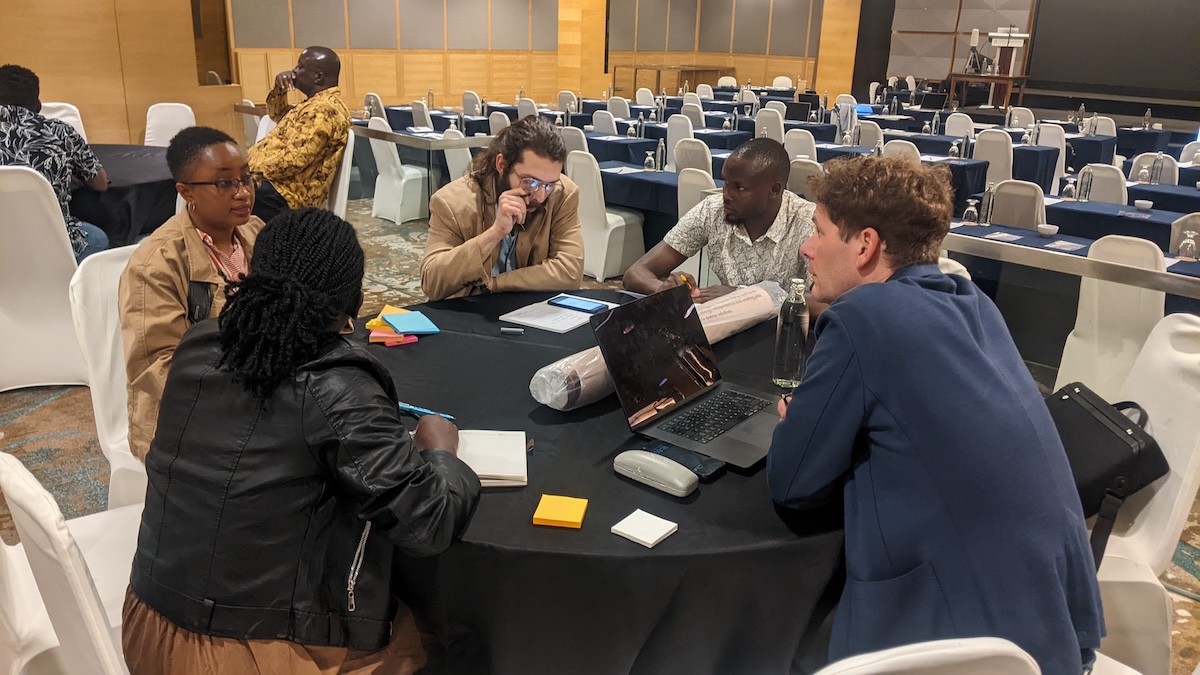
In the afternoon, we tried something different and split everyone into groups for round-table discussions. Each group spent 15 minutes discussing one of our eight themes, rolling a die to choose their specific question. This worked well to break up the day, and got people generating and sharing ideas after spending the morning sitting and listening to presentations.
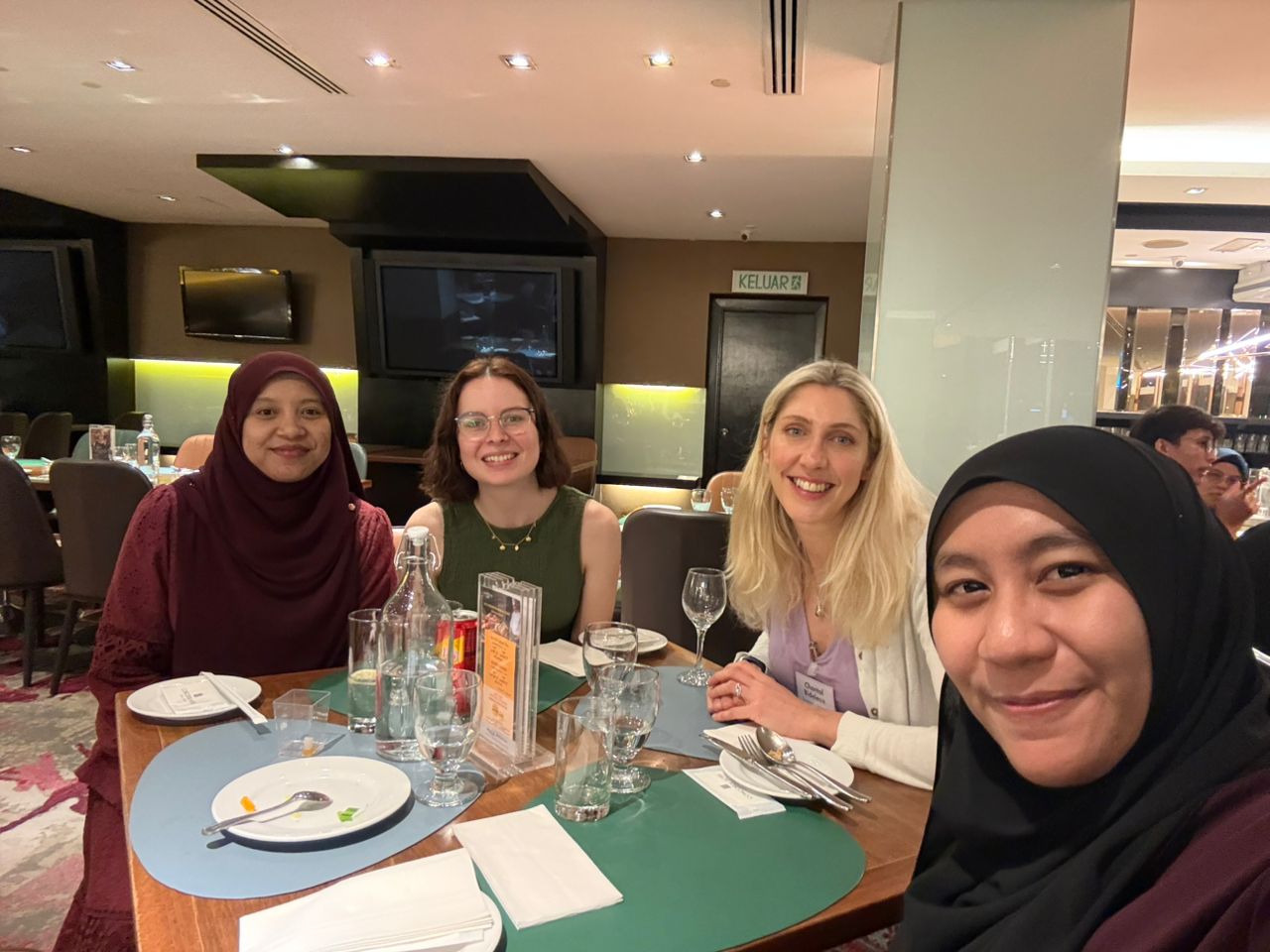
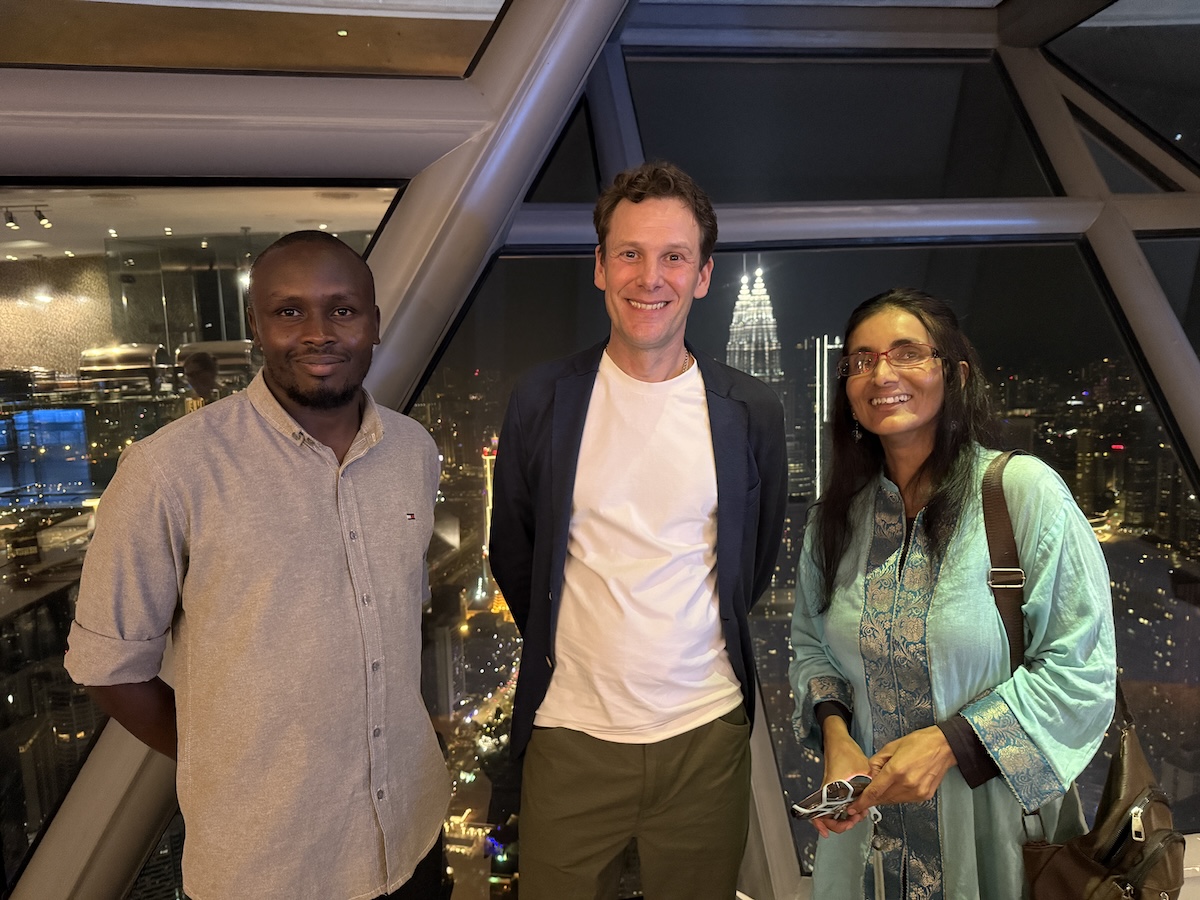
Four our evening meal, we had a special treat eating at the Orbit revolving restaurant in the KL Tower.
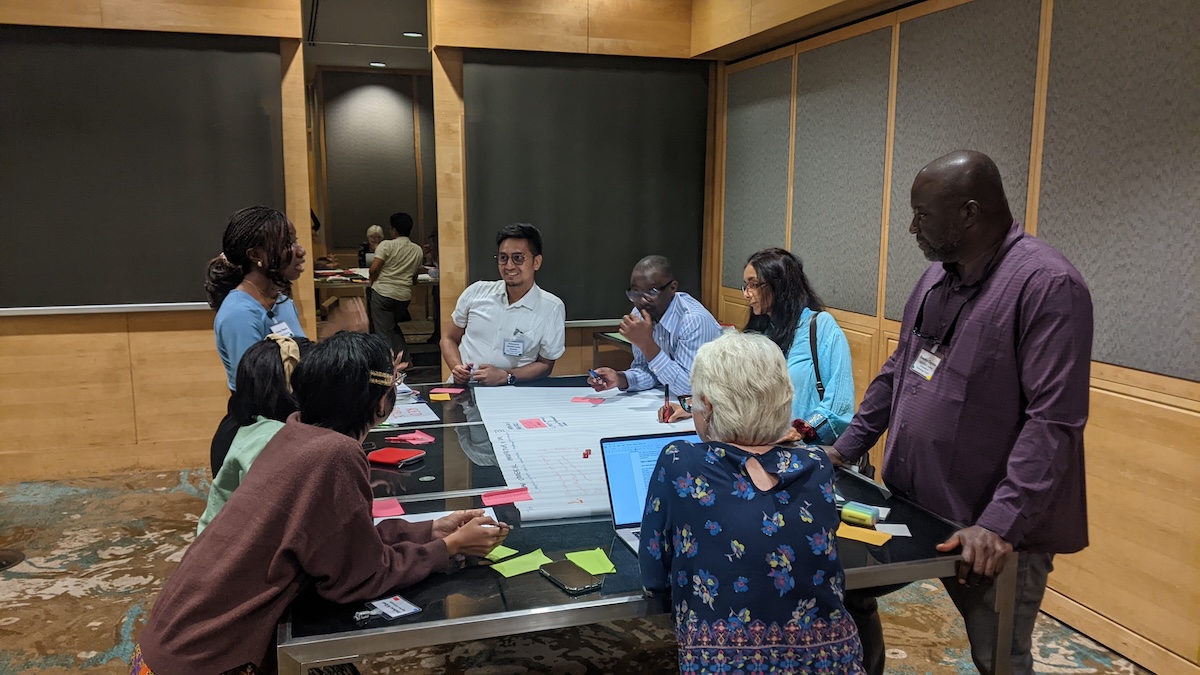

Top right: Attendees taking part in the round-table discussions.
Bottom left and right: Enjoying an evening meal at the KL Tower.
Day 3 – REACH-PSM Meetings and a Visit to a Solar Recycling Facility
On Wednesday morning, REACH-PSM partners took part in their annual retrospective workshop, focusing on lessons learned, risks, challenges, what went well, and goals for the next year. This was followed by a series of presentations from the work package leads with a Q&A session at the end. It was an invaluable opportunity to review progress, summarising key milestones and achievements from 2025 and to jointly agree a strategic direction for 2026.
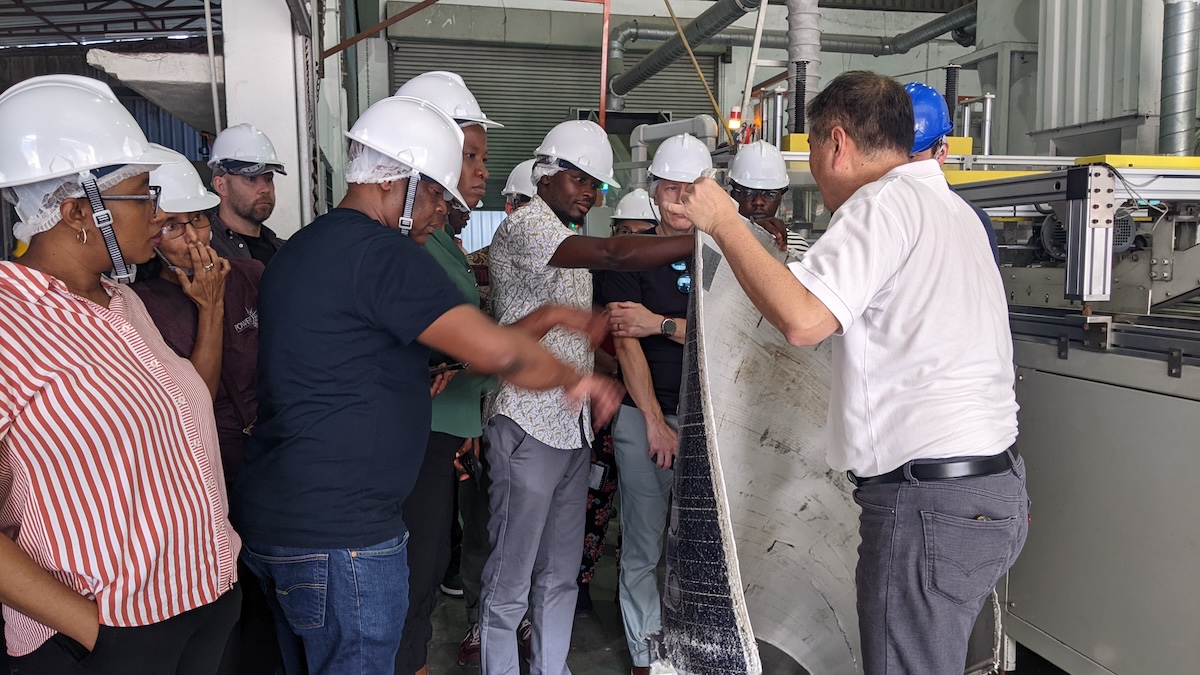
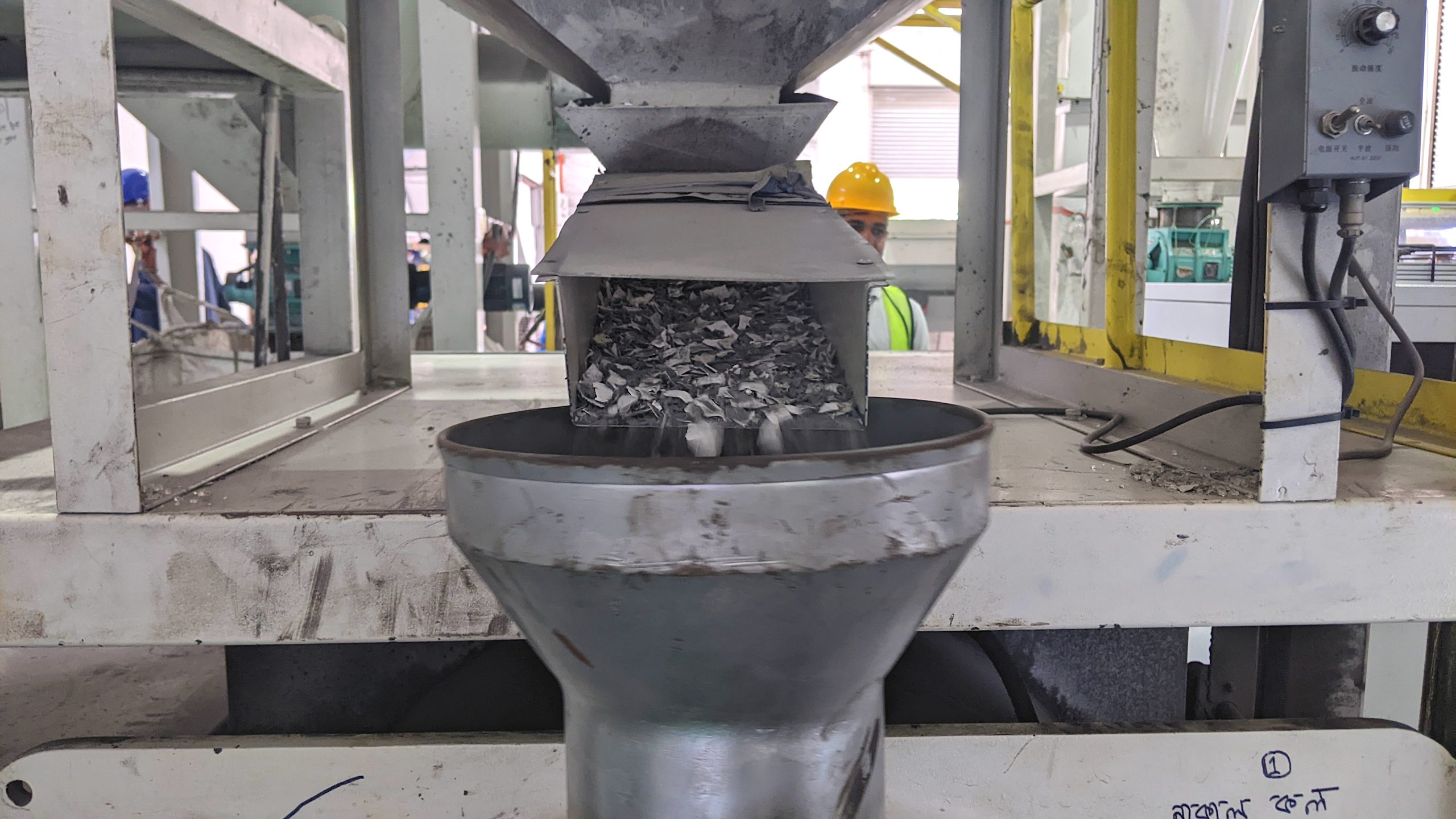
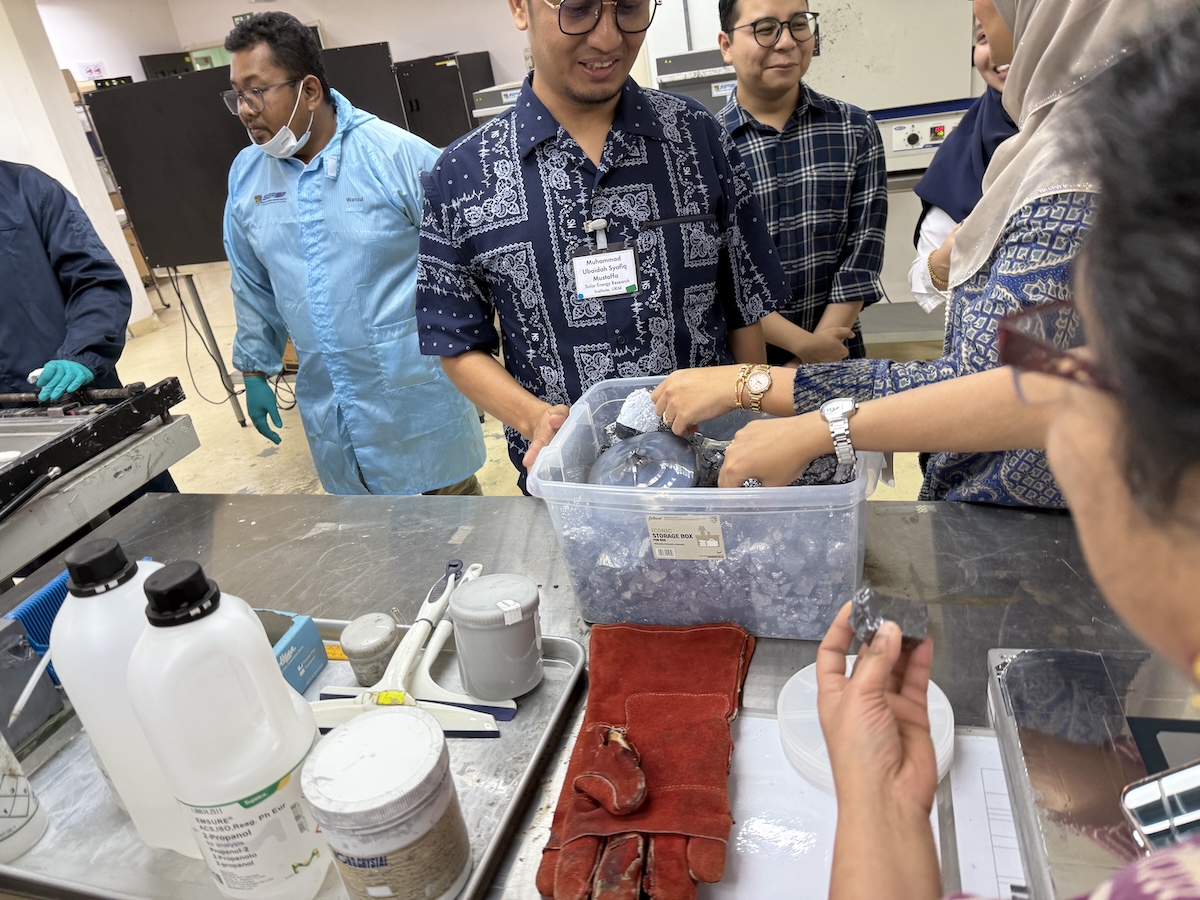
In the afternoon, we all took a bus to visit Zenviro‘s solar recycling facility on the outskirts of Kuala Lumpur. Malaysia’s first solar panel recycler, Zenviro buys decommissioned silicon panels and then sells the recycled materials. The process of the panels being ground by the machinery and the crushed glass, silicon, and silver emerging on the other side was a surprisingly fast one.
We talk a lot at TEA@SUNRISE about the importance of embedding a circular ecnonomy into the solar value chain, so it’s educational to see a company trying to put this into practice. We hope to maintain relationships with Zenviro so we can continue to learn from and support each other to make solar more circular.
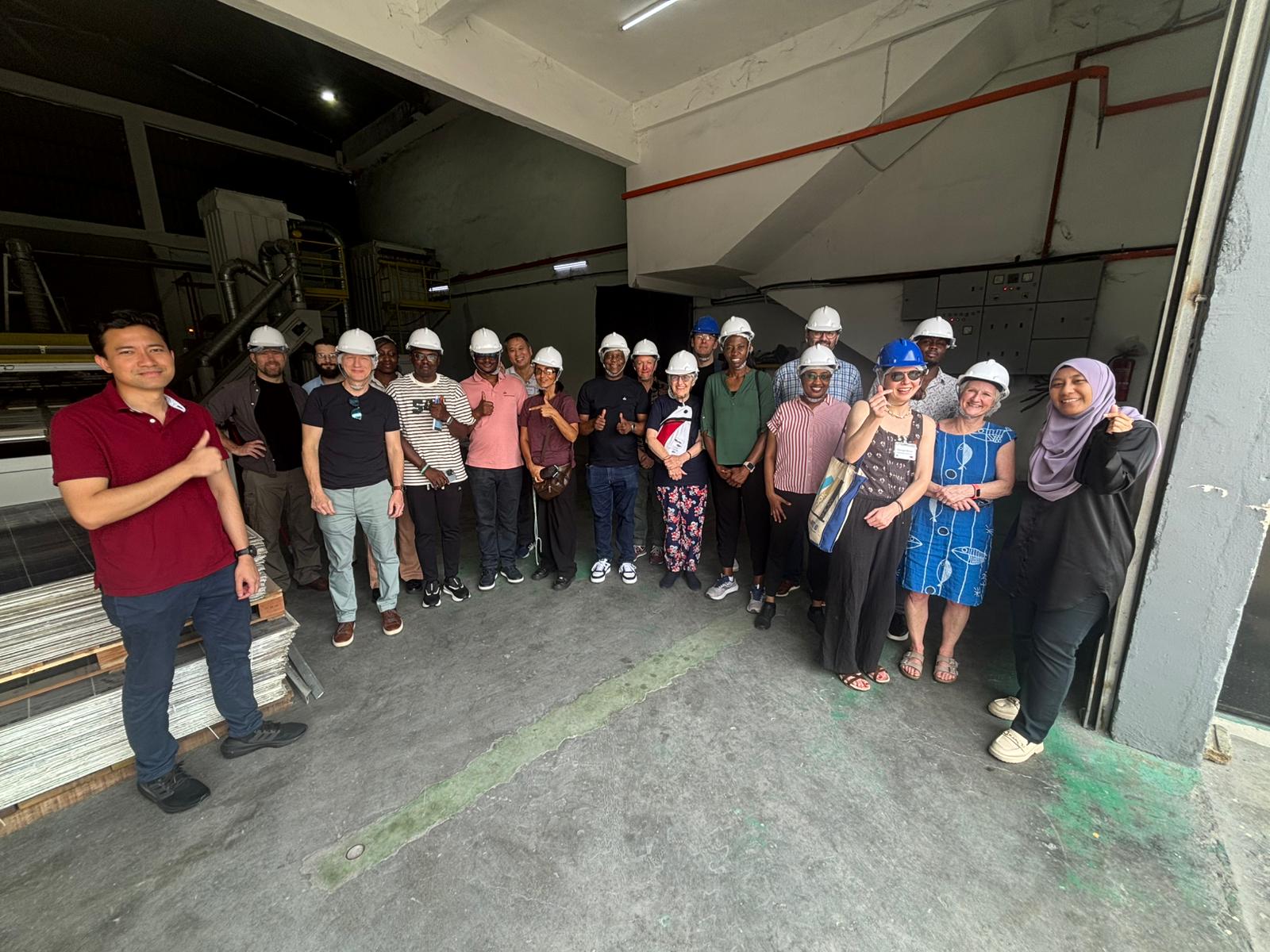
Top right: Attendees visitin Zenviro solar panel recycling facility.
Bottom left: Zenviro staff member showing a crushed silicon panel.
Bottom right: Crushed silicon panels emerging from the recycling process.
Day 4 – Visit to SERI and Discussing Pathways to Impact
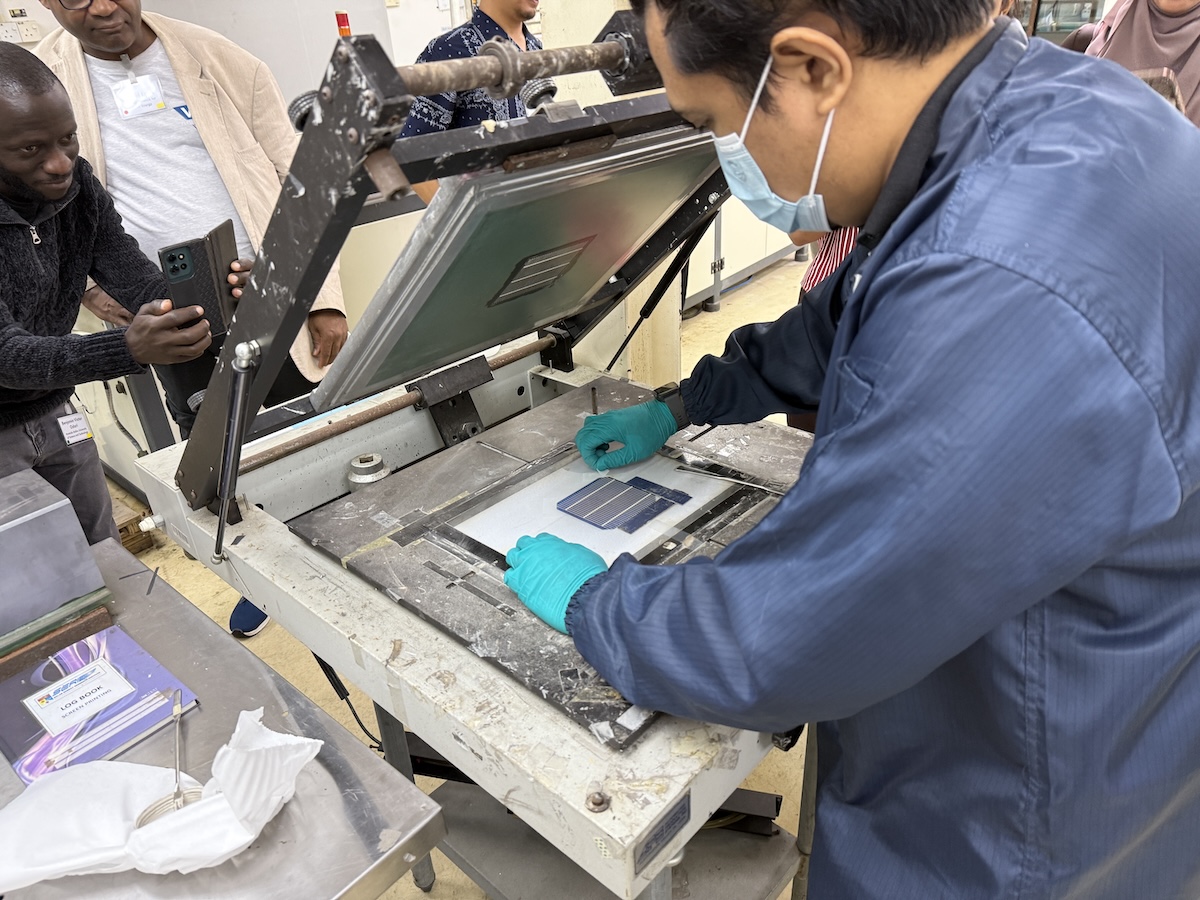
Some of the attendees visited the Solar Energy Research Institute at UKM on Thursday morning. Their lab facilities held equipment for producing silicon modules from pure polysilicon – including a Czochralski process ingot grower – thin film PV deposition and characterisation plus equipment for producing dye sensitised and perovskite cells and modules. It was impressive to see a single laboratory with the ability to progress from raw materials to final module production and testing across such a range of technologies. The attendees even spoke to one researcher who was using the solar simulation facilities to explore plant growth on alien planets!
The rest of the morning consisted of talks focused on suitable business models for next-generation solar, such as circular models and financing policies. New to the network, Nusatio Edwin Wirya (University of Oxford) shared work from his Masters’ degree on the applicability and manufacturing capability of next-generation PV in Indonesia.
In the afternoon, we had a presentation from James Coombs O’Brien and Alice Goodbrook from Innovate UK introducing round 11 Energy Catalyst funding, which is now open. The aim of the competition is to accelerate the innovations needed to create new or improved clean energy access in sub-Saharan Africa, South Asia, the Indo-Pacific region and Latin America.
We then got our heads in gear for more round table discussions, this time exploring potential pathways to impact for next-generation solar. We divided into groups to come up with solutions to different scenarios, such as ownership models and innovation pathways.
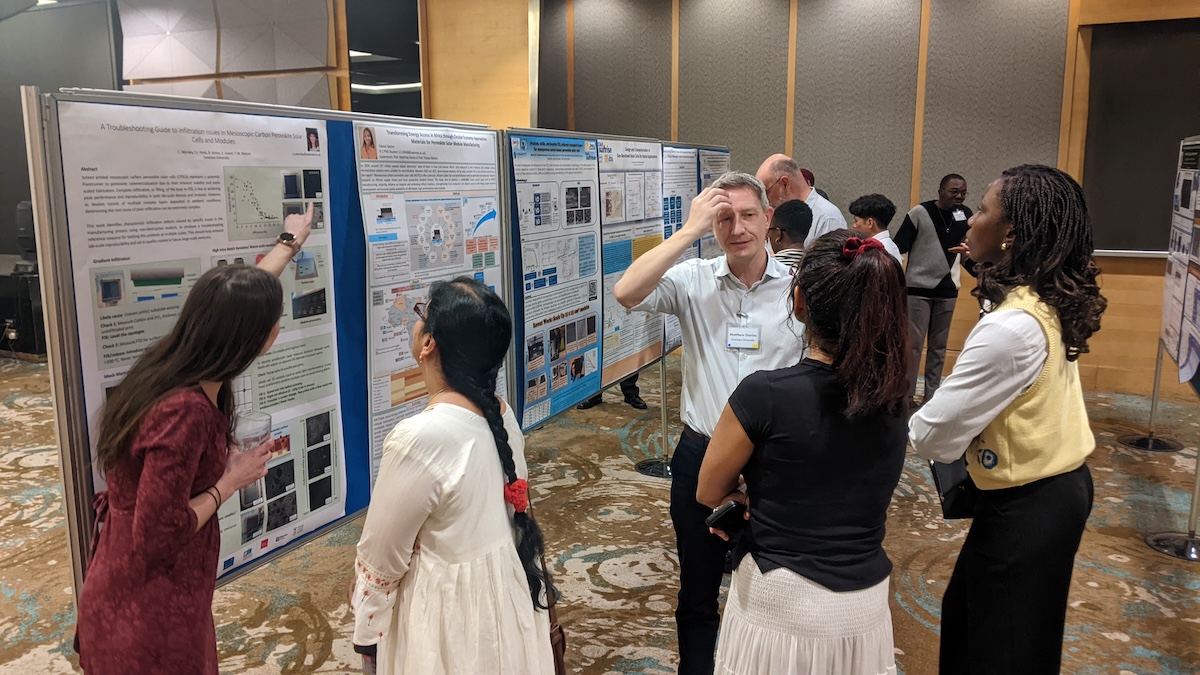
Before dinner, we regrouped for a poster session. The poster authors presented their work to the other attendees and answered any questions. It also gave the judges the chance to determine who would be winning a poster prize – a challenge when they were all such high quality!
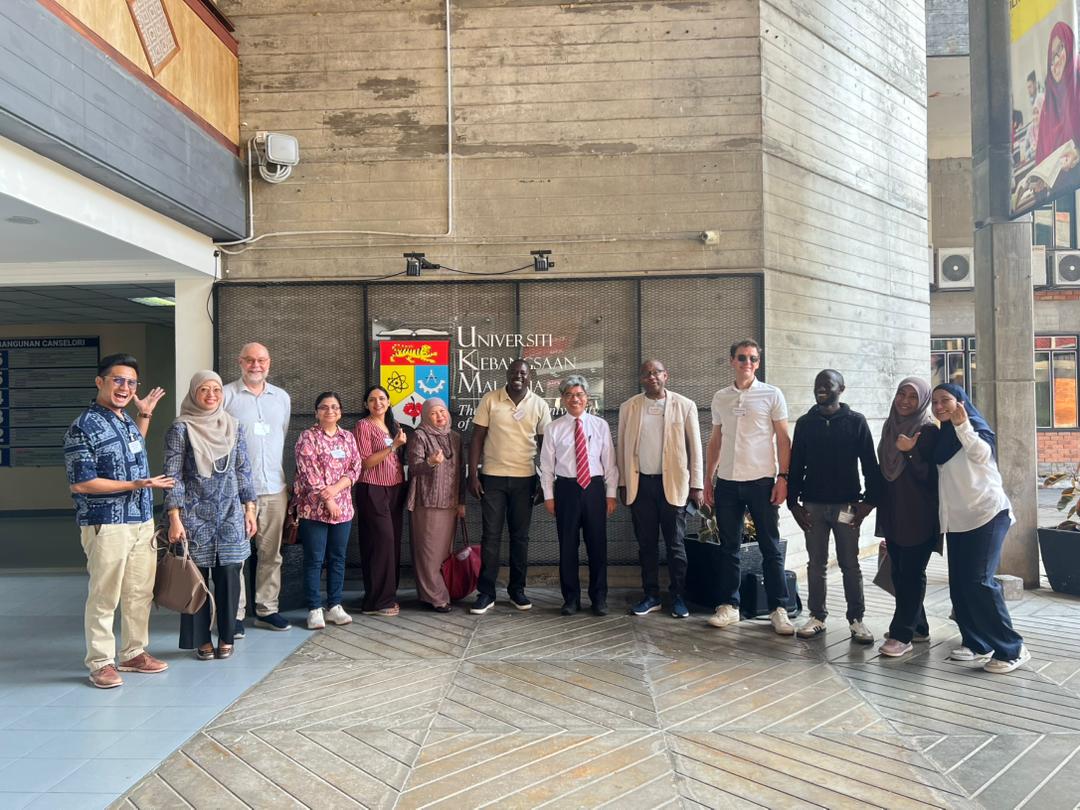
Bottom left: Attendees visiting UKM.
Bottom right: Discussions underway at the poster session.
Day 5 – Final Talks and Poster Prize Winners Announced
On our final day, we started off with talks on the themes of ‘sustainability’, ‘near-commercial manufacturing for TEA,’ ‘new processes for production breakthroughs,’ and ‘testing and stability.’ Augusta Njogo (Strathmore University) talked about democratising solar PV knowledge in communities in Kenya through training, peer learning groups, and technician development. Under ‘testing and stability’, Dr Tabitha Amollo (Egerton University) shared her research into finding alternative counter electrodes for dye sensitised solar cells.
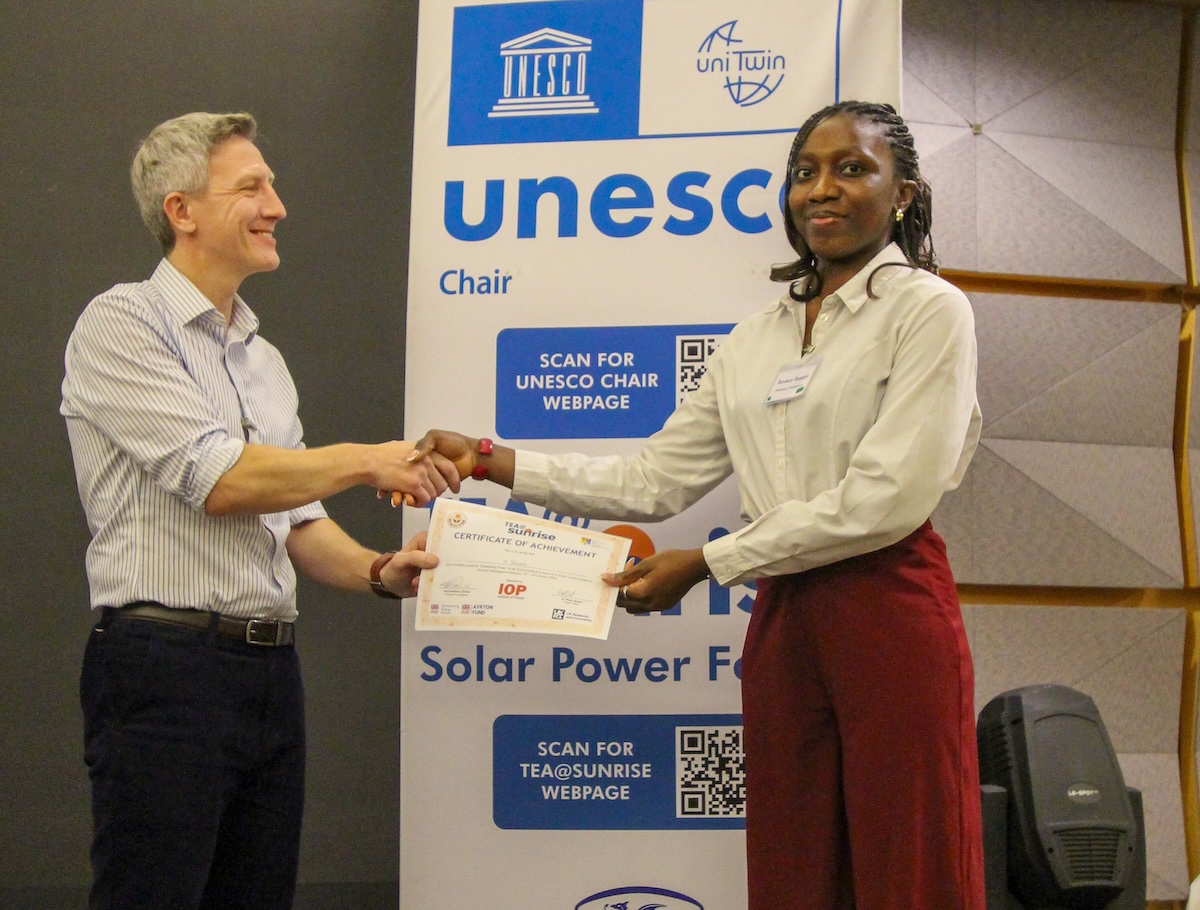
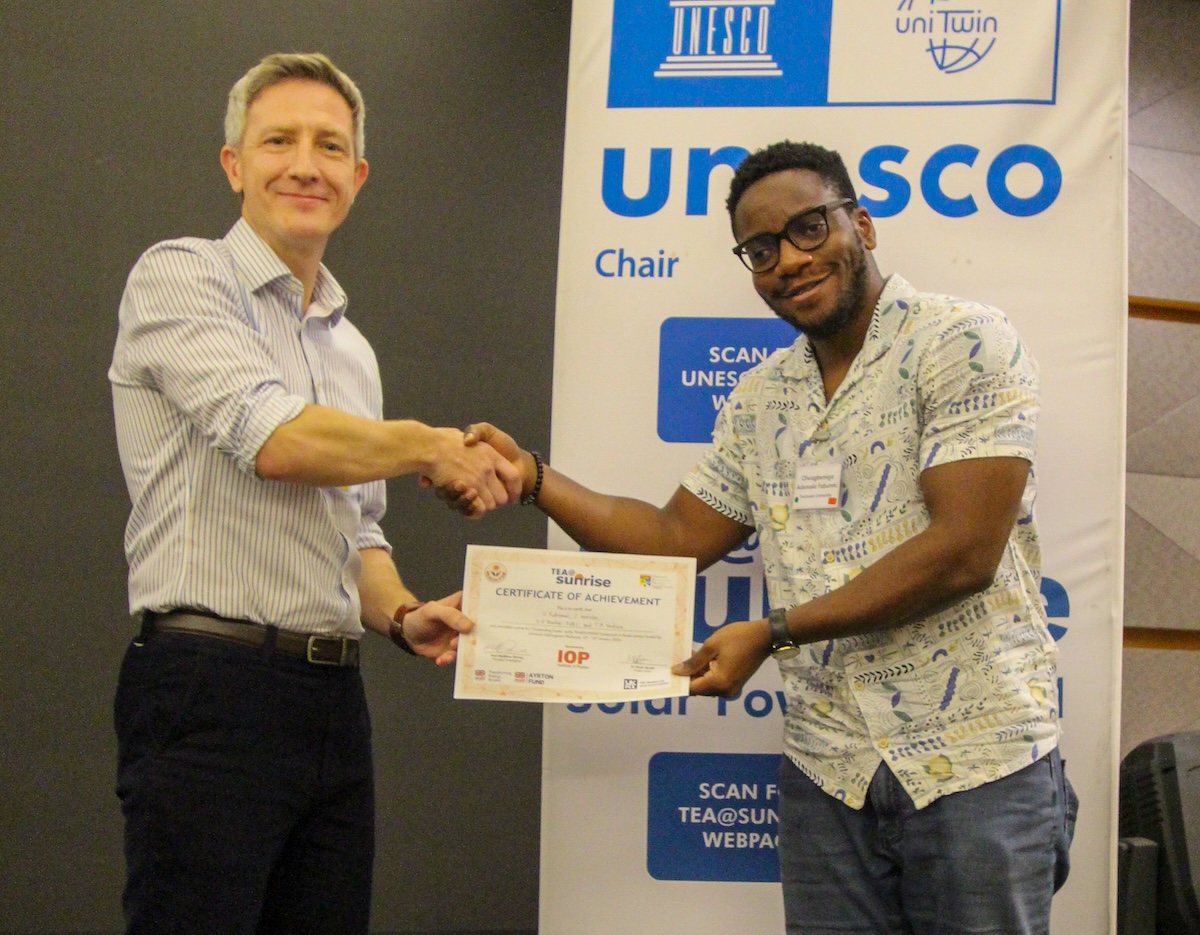
After our final round of talks, we announced the poster prize winners. A heartfelt congratulations to Favour Ibezim (Swansea University), Nusatio Edwin Wirya (University of Oxford), Sudhir Ranjan (IIT Kanpur), Oluwagbemiga Fabunmi (Swansea University), and Beatriz Eugenia Herdia Cervera (Universidad Pablo de Olavide). Thank you to the Institute of Physics for sponsoring the prizes.
Concluding Thoughts
We had a fantastic week in Kuala Lumpur, strengthening connections and exploring how we can work together across disciplines, sectors, and regions towards a singular aim: accelerating a just energy transition through next-generation solar. Several opportunities emerged, including potential new collaborations, shared infrastructure and testing initiatives, training activities, and co-developing interdisciplinary publications.
We made some changes to the format this year. Sticking to brief, 10-minute presentations meant our speakers had to really focus on what’s important. Including more time for discussions made it a more collaborative experience and we had lots of positive feedback on this.
By holding our second symposium in Malaysia, we expanded attendance to include more representation from ASEAN countries. It was encouraging to see that the expertise in next-generation solar definitely exists in the region. Now that we have a strong skills base in both Africa and Asia, our next steps are to connect the academic expertise with manufacturing companies who can help translate the research into real-world energy access solutions.
If you want to help us maintain the momentum of our symposium and collaborate with over 300 people on next-generation PV for energy access, you can join the TEA@SUNRISE network here.
TEA@SUNRISE is part of the Transforming Energy Access platform funded by UK aid from the UK Government to support the technologies, business models and skills needed to enable an inclusive, clean energy transition.