
About TEA@SUNRISE
TEA@SUNRISE envisions a just, equitable, and sustainable energy transition through the development of next-generation photovoltaics (PV). The project is enabling local manufacturing of these advanced technologies in Africa, Asia, and the Indo-Pacific.
Building on the pre-existing SUNRISE network, TEA@SUNRISE (Transforming Energy Access at SUNRISE) is a collaboration between the UK and countries in Africa, Asia, and the Indo-Pacific. Led by Swansea University, the project is forming an international, inclusive, and interdisciplinary network. This team of experts will help us identify and deliver strategies for using next-generation PV to tackle global energy access in low- and middle-income countries (LMICs).
TEA@SUNRISE also leads the Ayrton Challenge on Next-Generation Solar. This is one of twelve challenges which are the focus of the Ayrton Fund, a commitment by the UK Government to spend £1 billion on the research and development of clean energy technologies and business models in LMICs.
With over 760 million people across the globe lacking access to energy and many others struggling with an unpredictable or costly supply, next-generation PV technologies offer an affordable, reliable, and sustainable solution.

Why Next-Generation Photovoltaics?
PV has become one of the fastest growing energy technologies worldwide. However silicon PV, which currently dominates the market, faces limitations. The manufacturing process needs a hefty initial investment, and consumes substantial amounts of critical materials and energy.
Next-generation technologies, such as perovskites, have a lower cost potential, use fewer critical materials, and are more efficient compared to silicon.
Furthermore, diversifying from dependence on silicon as a solar technology reduces the risks involved with tackling such huge challenges as the climate crisis and global energy poverty.
The Local Manufacturing Potential for Next-Generation Photovoltaics
Current manufacturing of silicon is located far from where the rapidly emerging economies of LMICs require energy, creating logistical challenges.
New materials such as perovskites present an opportunity to bring PV manufacturing much closer to its point of use. Furthermore, local manufacturing could reduce logistics costs, create jobs, and use lower-carbon sources of energy.
Designing Photovoltaics for a Circular Economy
This next-generation of materials also offers a unique opportunity to design for ease of re-use and re-manufacture from the outset. We will ensure that technologies are designed for a circular economy to minimise waste and use of critical materials. Aligning with circular economy principles will also help retain valuable materials in productive processes, and facilitate a more efficient manufacturing sector.
Inclusive Collaborations
To achieve a just and equitable energy transition, we co-design and co-develop all TEA@SUNRISE activities to ensure they are appropriate and inclusive. We recognise that achieving our mission requires the inclusion and active participation of diverse voices, particularly those of women and other underrepresented or marginalised groups.
Read our Gender Equality, Disability and Inclusion Statement here.
We have also established a Women in Solar Energy (WISE) network, an informal online space for women within the TEA@SUNRISE community working in or aspiring to work in solar energy and energy access. Open to anyone that identifies as a woman, this network embraces diverse experiences and cultural contexts, fostering and inclusive and respectful community.
WISE holds monthly online sessions for mentorship, collaboration, and knowledge exchange.
Get in touch if you’re interested in joining WISE.
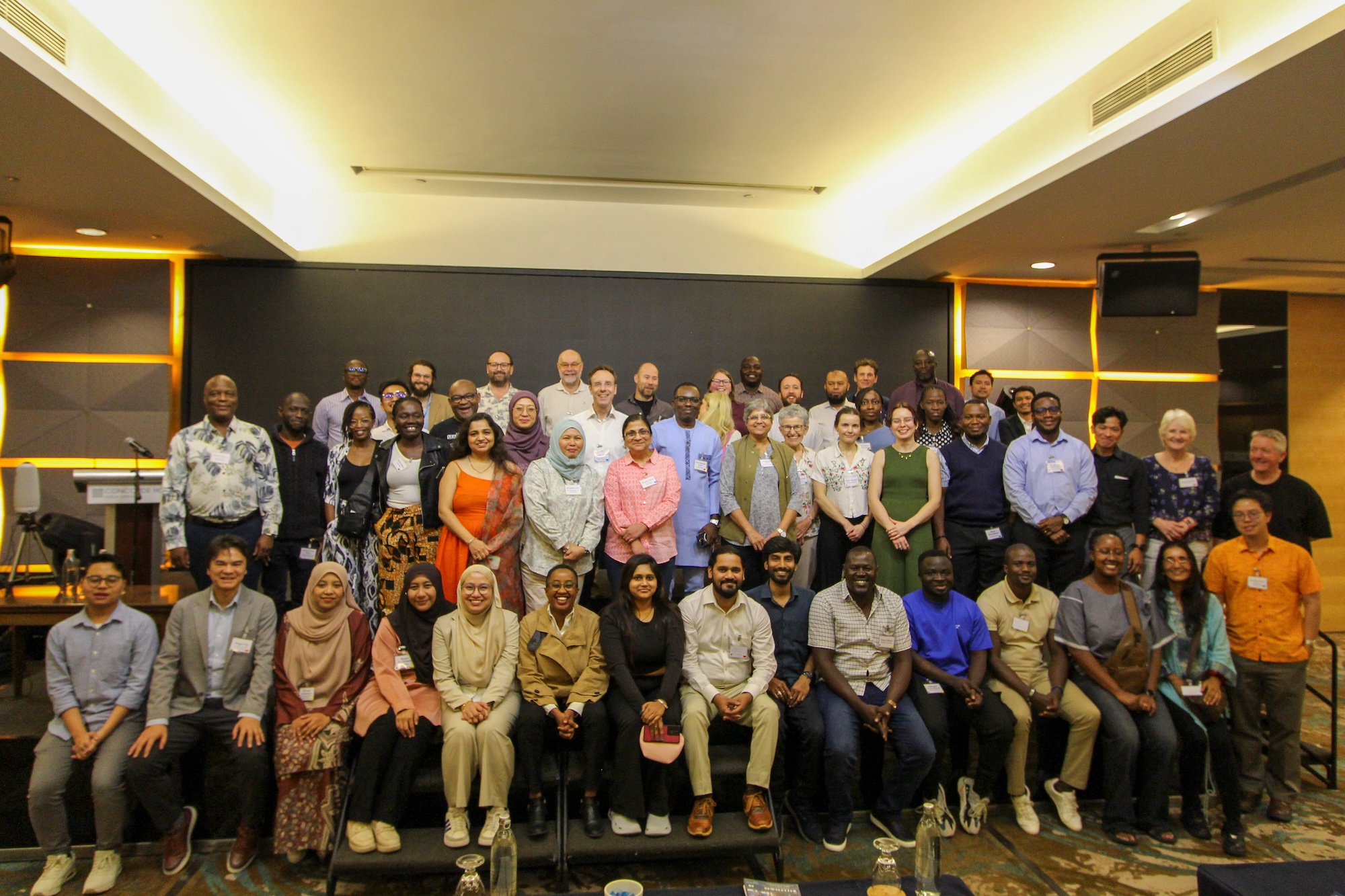
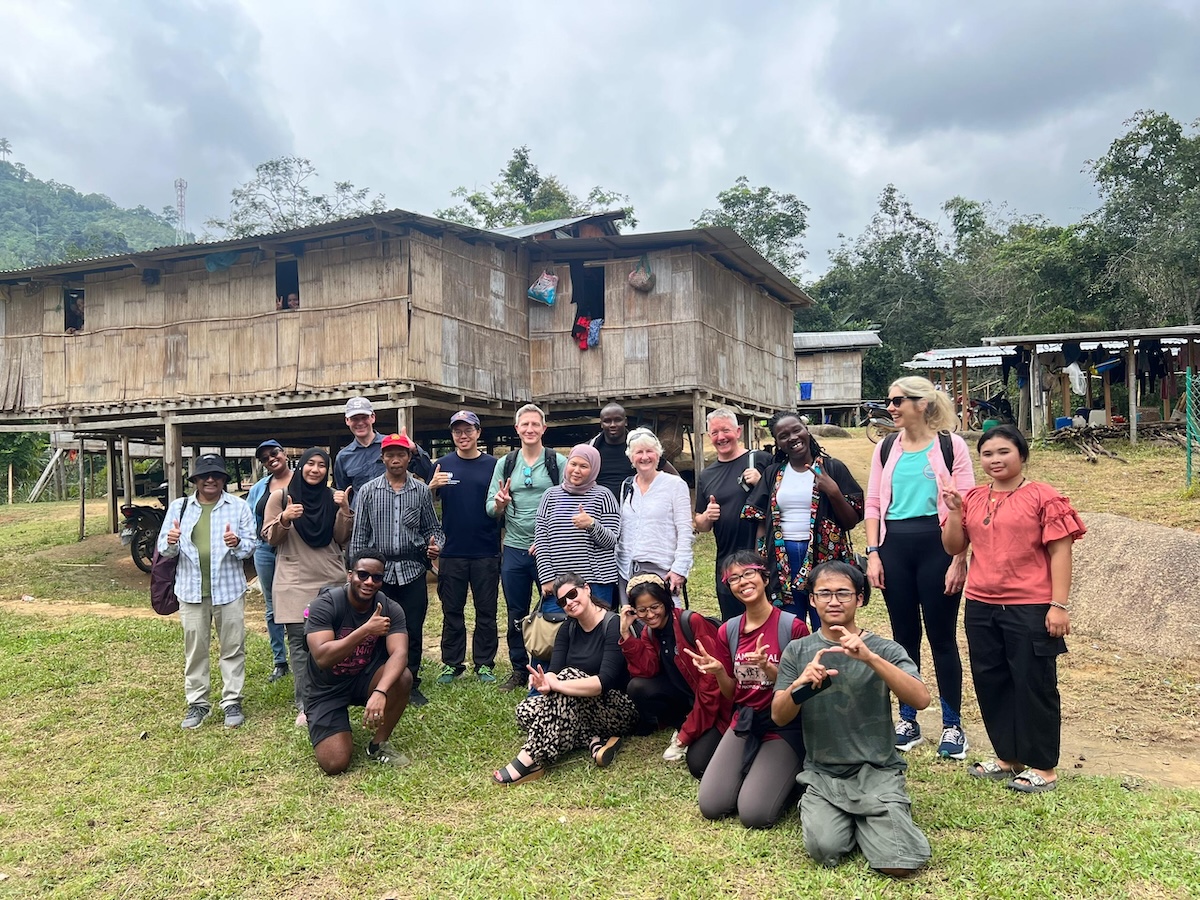
Top right: Members of the TEA@SUNRISE network visiting a solar-powered village in Malaysia during the second annual TEA@SUNRISE symposium.
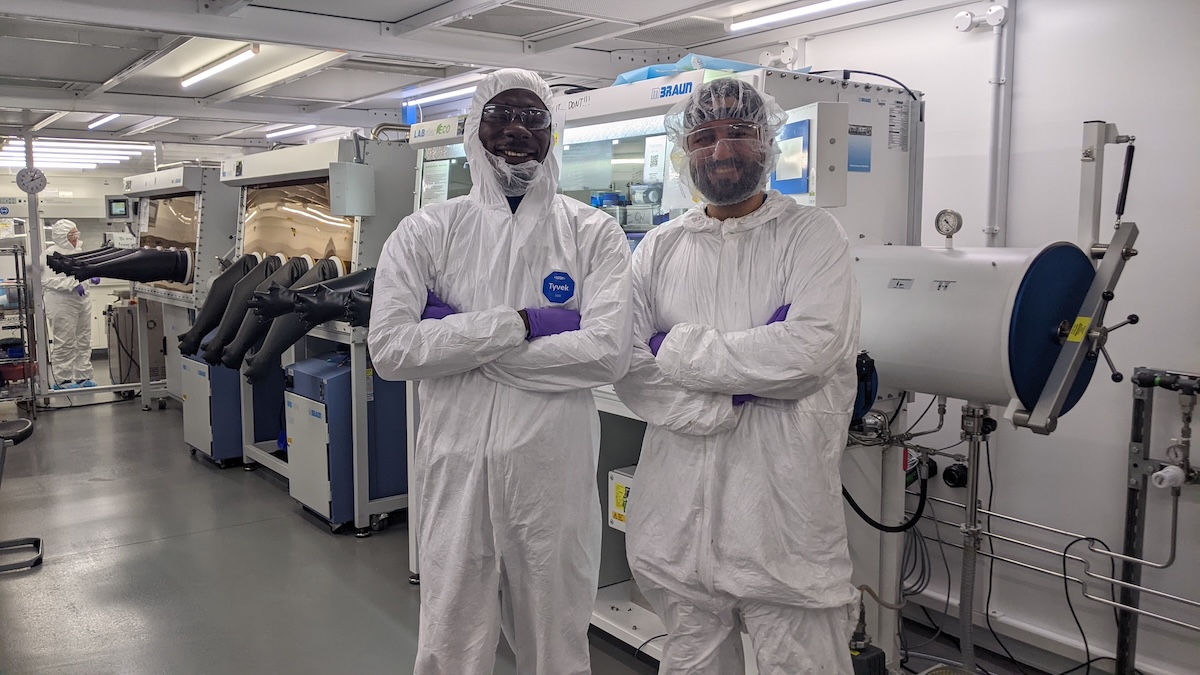
Bottom left: John Anyanwu (FUTO, Nigeria) pictured with Ershad Parvazian (Swansea University) during his visit to Swansea University to take part in perovskite solar module training.
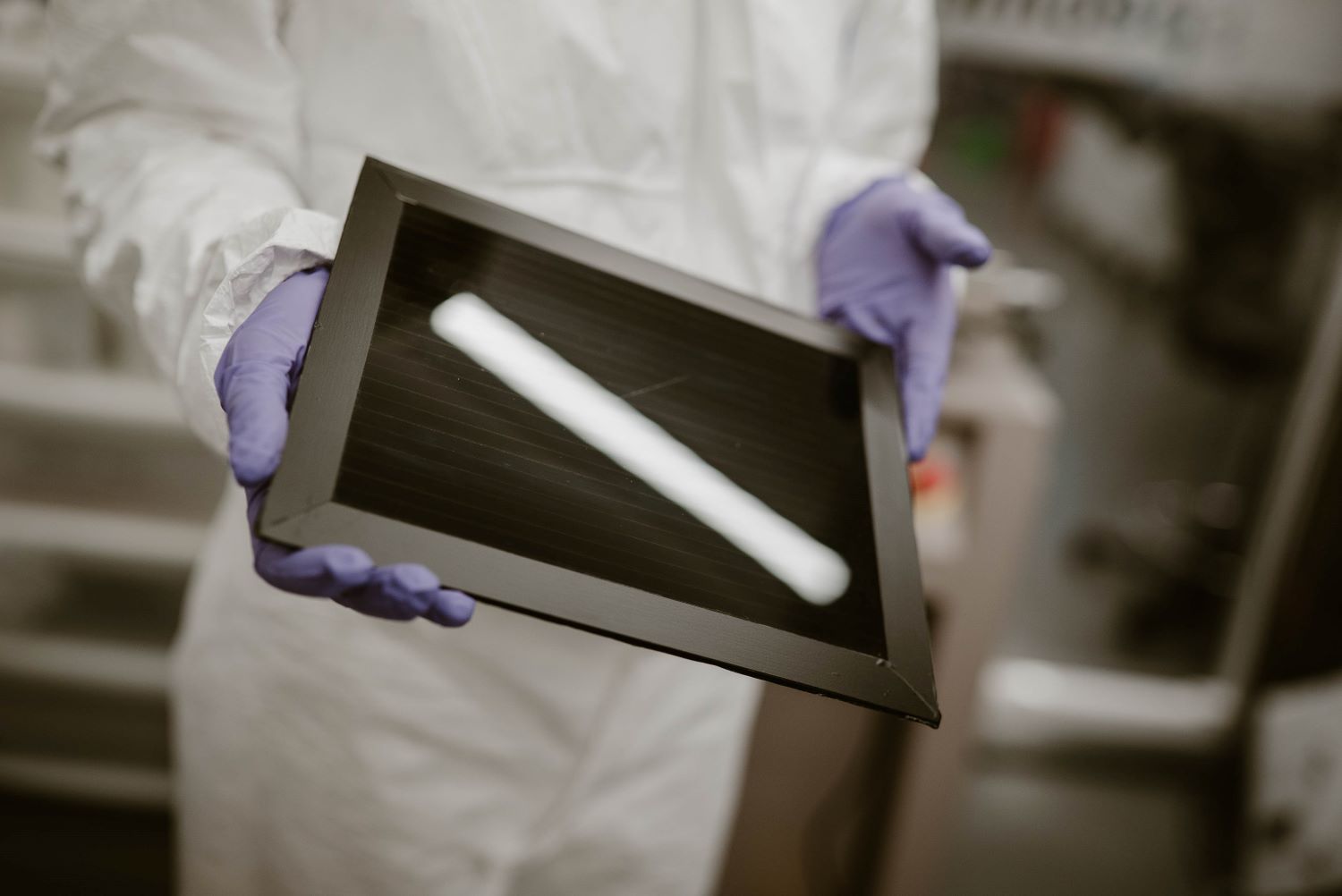
Bottom right: An example of next-generation PV: mesoporous carbon perovskite solar module developed at Swansea University.
Meet the Team

Dr Mark Spratt
Project Lead

Prof Matthew Davies
Principal Investigator
Dr Carol Maddock
Inclusivity Lead

Sara Walters
Project officer

Georgia Bevan
Communications Officer
Chantal Bideleux
Senior Project Officer

Dr Aelwyn Williams
Senior Research Officer – Inclusivity
About Transforming Energy Access (TEA)
TEA@SUNRISE is part of the Transforming Energy Access platform funded by UK aid from the UK Government to support the technologies, business models and skills needed to enable an inclusive, clean energy transition.
Transforming Energy Access (TEA) is the flagship FCDO research and innovation programme supporting early-stage testing and scale-up of innovative technologies and business models that accelerate access to affordable, clean energy for poor households, enterprises, and social institutions in developing countries across sub-Saharan Africa, South Asia, and the Indo-Pacific. This includes support to innovations across the three Ayrton Fund themes of clean supply, super-efficient demand and smart delivery, as well as integration of solutions across the three. In late 2021, a £126m scale-up of the platform was announced at COP26, further advancing TEA into a major delivery platform for the Ayrton Fund focused on delivering innovations enabling a Just Transition for the 733 million people who still lack access to electricity and the 2.4 billion people who cook using fuels detrimental to their health and the environment.